


“It really felt like we were living through what would become an MBA case study: what does a big live teaching business do when LLMs come along?” Toby Mather is reflecting on his last year as Product Director for Novakid, Europe’s biggest English language teaching platform for kids.
He took on the role of leading product - and Novakid’s response to AI disruption - after they acquired Lingumi, the language learning app he had founded in 2015. (You can read about that rollercoaster journey in a previous case study.)
Novakid surpassed $80m in revenue last year, across a diverse number of geographies. They have over 80,000 monthly active users with over 2000 teachers delivering nearly 5 million lessons a year between them.
“It’s a machine. It’s very repeatable. And profitable.” says Toby. “So that is a good base on which to do new things. We can take large bets that might be fatal to a small startup.”
But at the same time, innovation can often come hard to market leaders. “We need to be aware of the Innovator’s Dilemma,” he says.
He’s taken the time to explore how Novakid are thinking about the challenge that many incumbent learning platforms have: how to embrace AI in a way that improves the experience in a genuinely impactful way and stops a new upstart eating their lunch.
The Innovator’s Dilemma
The Innovator’s Dilemma was coined by Clayton Christensen to explain why small startups can disrupt large enterprises.
Startups can leverage disruptive technologies, whilst the incumbents are incentivised to prioritise improving the existing product in the short-term over long-term innovation and growth.
“We were absolutely doing this,” says Toby. “We added a sparkly UI to our classroom like live teaching. It’s actually a nice feature. But it wasn’t fundamentally disruptive to the way that kids are going to learn English…”
Meanwhile, new entrants typically start off offering a worse experience but at a much lower cost. Over time, they improve and suddenly it’s too late for the incumbent to respond.
Classic examples are Kodak, who despite inventing the first digital camera, focused on selling film whilst digital photography was gradually taking off and Blockbuster, who saw their video rental business destroyed by Netflix’s streaming model.
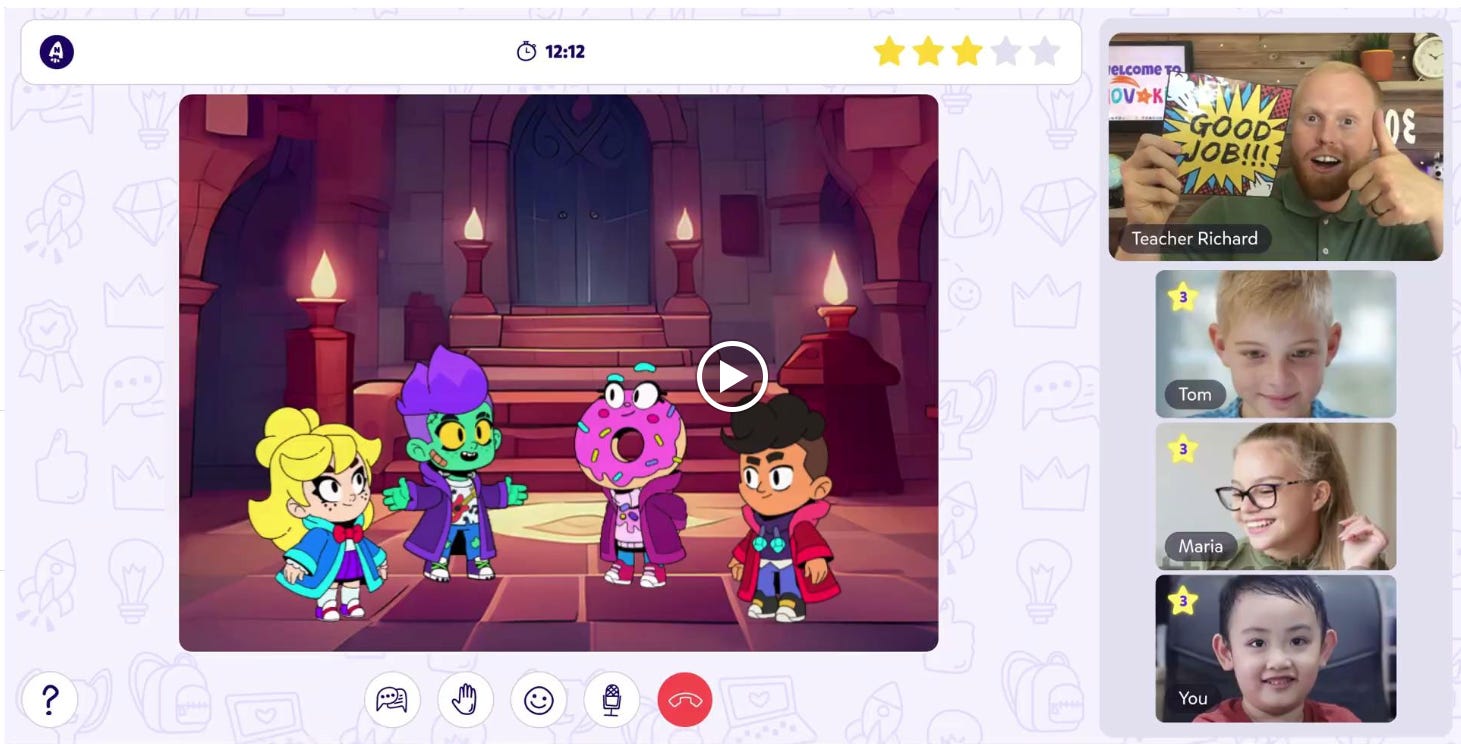
Toby immediately saw that this was exactly what could happen to Novakid. Novakid offers human tutoring, where you buy a number of lessons per week.
Kids love their teachers. Novakid gets loads of five stars reviews, typically naming their teacher.

But good teachers are expensive. A typical 6-month course package with Novakid costs over $500. And since the launch of ChatGPT, a range of new entrants have entered the market offering a similar promise to Novakid but powered by AI for a dramatically cheaper price.
“One of our new competitors charges £34.99 for 6-months. That’s 14 times cheaper,” says Toby. “Human teaching is definitely way better than AI. But then when a parent looks at the comparison, they might ask themselves is it really £450 better? I don’t know... You know, that’s pretty appealing…”
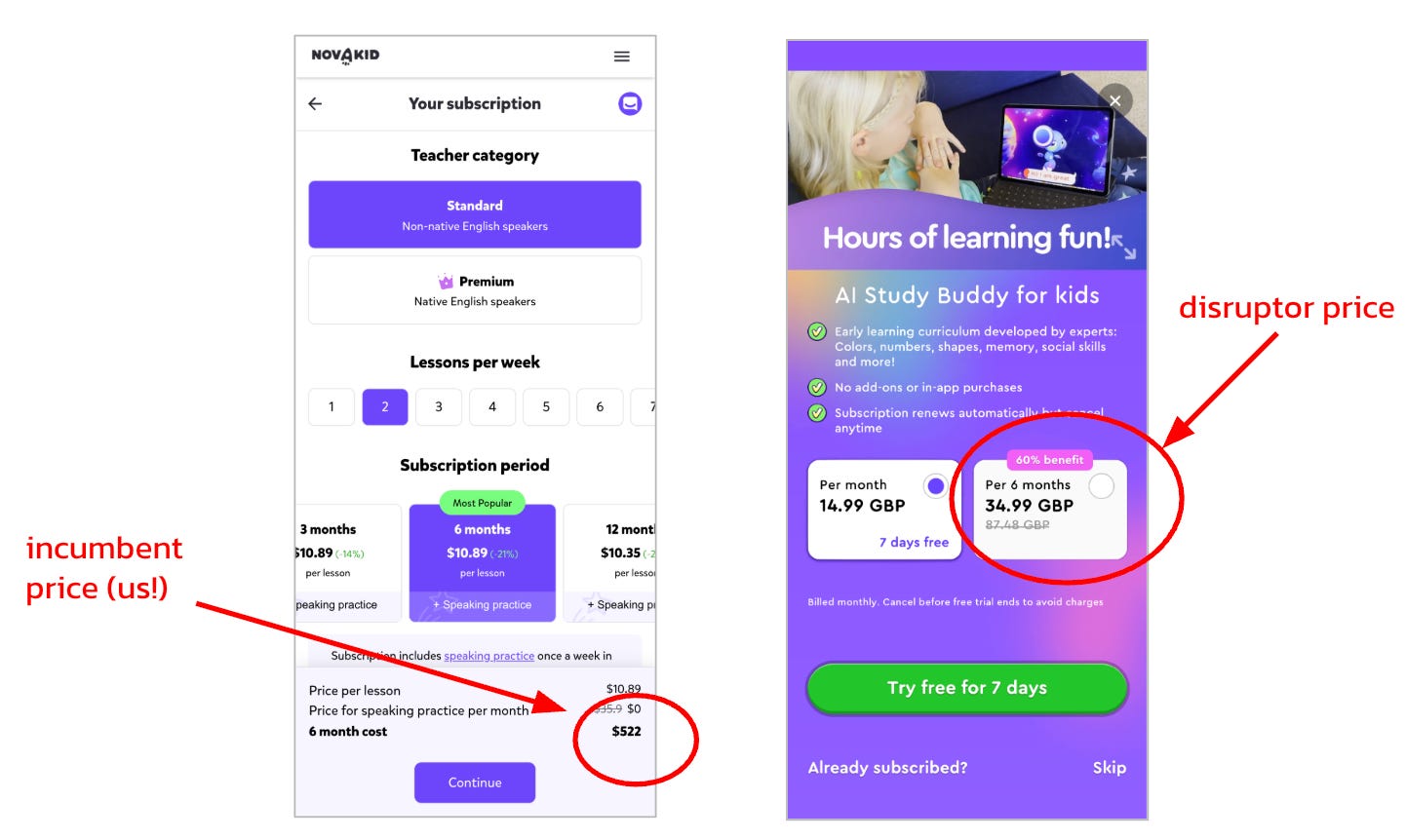
He’s quick to point out that right now, Novakid aren’t yet seeing much pressure from these competitors.
“None of these new apps can replace a teacher jumping on a Zoom call or sitting in a room with a child,” he says. “Most of the current apps aren’t great. But they will get really good. They’ll be personalised and interactive. And they’ll basically be close to free.”
And there is the classic dilemma.
“It’s hard to disrupt yourself because you have to cut your own prices to compete. Which in our case, potentially means you have to cut your teachers, which is something we obviously don’t want to do,” he says.
“You’re left with a pretty unappealing menu of risks: cannibalising your core business, complicating your user experience and driving away your suppliers: teachers.” But he knew that this was something that couldn’t be ignored.
He quotes a16z’s Alex Rampell, who said: “The battle between every startup and the incumbent comes down to whether the startup gets distribution before the incumbent gets innovation.”
Toby believes this is still true in the age of AI: “It’s still interestingly balanced. The incumbents can also use LLMs to innovate faster. But the startups can’t use LLMs to grow distribution faster. So the inherent tension of startups versus incumbents has not actually changed that much.”
Which meant that if Novakid could quickly innovate, they could avoid disruption.
Focusing on the Jobs To Be Done
To think through the problem, they’ve gone back to focusing on the core Jobs To Be Done. They believe there are three core jobs their product does for parents.
The first is for your child to be meaningfully occupied. “For NovaKid or for any other online tutoring provider, the child is at home, probably with a parent, and they want to keep them occupied after school or on a weekend morning,” he says, explaining an often overlooked piece of parental motivation.
The second is to learn the language. “It’s not there yet, but AI will be as good or better than a human tutor at helping you learn the language, because language is a really computational problem,” Toby reckons.
“Humans might forget what I learned last lesson and they’re not optimising the question to exactly my level of knowledge today in a way that an LLM with some memory and some context can do perfectly.”
But this needs to be combined with the third and most important job: “Humans learn languages to communicate with other humans,” says Toby.
He gives an example to bring this to life. “I recently watched a video of one of Novakid’s group classes, where we had a child in Mongolia in Ulaanbaatar, talking to a child in Italy and they’re playing a game together. It’s just asking each other questions about football. But it’s the most amazing thing to see because most kids don’t have access to an international group of classmates in their schools.”
“In an AI tutoring world, you will still need a way of connecting and using your language, building social skills, finding pen friends… And Novakid offers that.”
Novakid’s bet is to build a package that helps kids communicate with humans, leveraging AI to help them learn and practice speaking.
“Our bet is that lots of parents will pay more because they want the learning to come with the social side,” he says. “They want their child to be meaningfully occupied and talking to their peers, making friends, learning to communicate and developing their social skills. Not just practicing language with a bot.”
High-learning, low-noise experiments
So how are they practically approaching this? “These things usually die in slides and in meetings,” he says. “The most important thing is to take action. The way I think about this is: what is the high-learning, low-noise way to test something? What if we launch this thing tomorrow? How many support messages will it generate?”
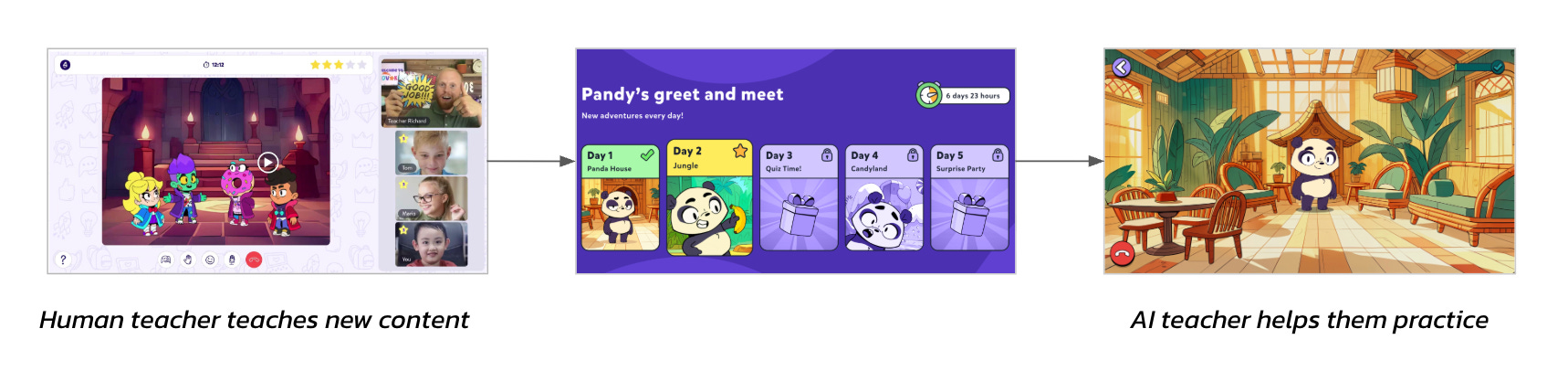
Rather than making an entirely new product, they decided to test something new in the existing flow, after the human teacher had delivered a lesson, instead of taking them to their homework.
“For anyone who’s done user research, they know how hard it is to get people to participate,” explains Toby, “so focusing on where kids are already, injecting something new into where we already have their attention and seeing what happens means we can explore quickly.”
They found the fastest way to test the initial idea. “A PM in my team stitched together an Elevenlabs voice agent running in one browser tab with a Figma animation of a talking duck in another tab. Literally one window behind the other screen shared through a Zoom,” remembers Toby. “That is how scrappy these things should be. You really can check if something works in a half hour prototype.”
After initial validation, they released an MVP into an existing flow. Because of Novakid’s high volume of traffic they could quickly get quantitative feedback on if it affects retention alongside more qualitative testing.
“We have a big advantage,” he reckons. “We can still do the qualitative research and watch over the shoulder as someone uses it. But we can also very quickly get meaningful amounts of quantitative data in a way that an early stage startup can’t.”
This is the advantage that they can leverage to counter the Innovator’s Dilemma.
Toby’s benchmark is that a new feature needs to achieve 30% retention one week later. “If three out of 10 people come back a week later without you sending them emails or whatsapps, whatever, that’s a good sign that they got some value from your product.”
They achieved this with their first small cohort of more advanced learners. Then they opened it up further and included beginners and this time got poor results. Restricting it to level 2 plus learners again, saw good results. “We said, OK cool, we can launch to level 2 plus and figure the rest out later.”
This test speaks to a more general approach he would always advise. “Solve retention before doing anything at scale,” he says “Anything less than 30% you should rethink it.”
The business model for tomorrow’s product
Keeping the new AI features free as part of the initial testing made sense. But before going further, it was important to understand what the future business model might look like if the new features took off. The current model of pay-per-lesson wouldn’t work, once you start to blend human tutoring with AI features.
They began to look for other examples, where companies had disconnected the amount paid from their existing unit of value into “odd bundles” that include a range of different benefits.
“Amazon Prime is a really big odd bundle. It is impossible to say how much you pay for each part. What’s the free delivery bit worth within your £120? I don’t know, but it’s like such a good bundle of things, you just sort of swallow it,” suggests Toby.
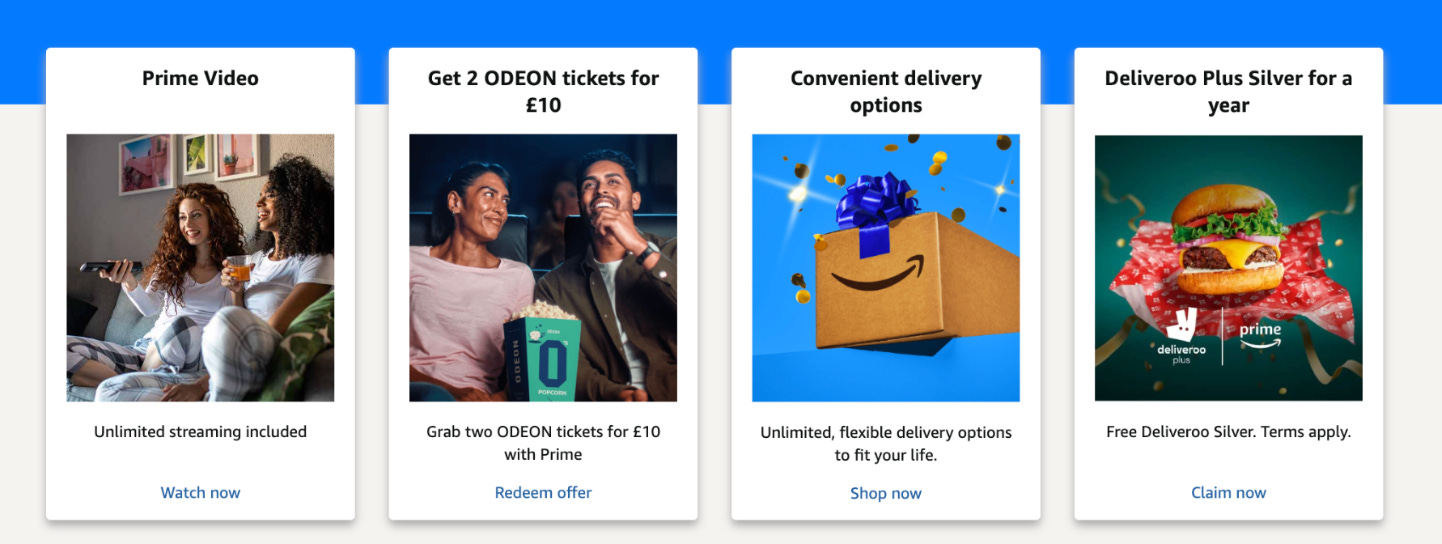
“So we said, if we can deliver a set of features that are as appealing and each customer uses at least two of the four, then everyone would be happy to pay the bundle price.”
He notes that this change had potentially big ramifications for revenue recognition, board reporting and that it could upset quite a lot of internal stakeholders. There were also big concerns about whether it could cannibalise the existing business if everyone switched to the cheap AI only package. “But we said, let’s not worry about that yet, let’s test it and find out.”
They ran a Wizard of Oz test, putting up a new pricing page and showing it to a small percentage of users. “Novakid has massive monthly traffic, so we could run these tests very quickly and get statistical significance. Some of the bullets on the features list had not been launched but it enabled us to see which of the three packages people would choose.”
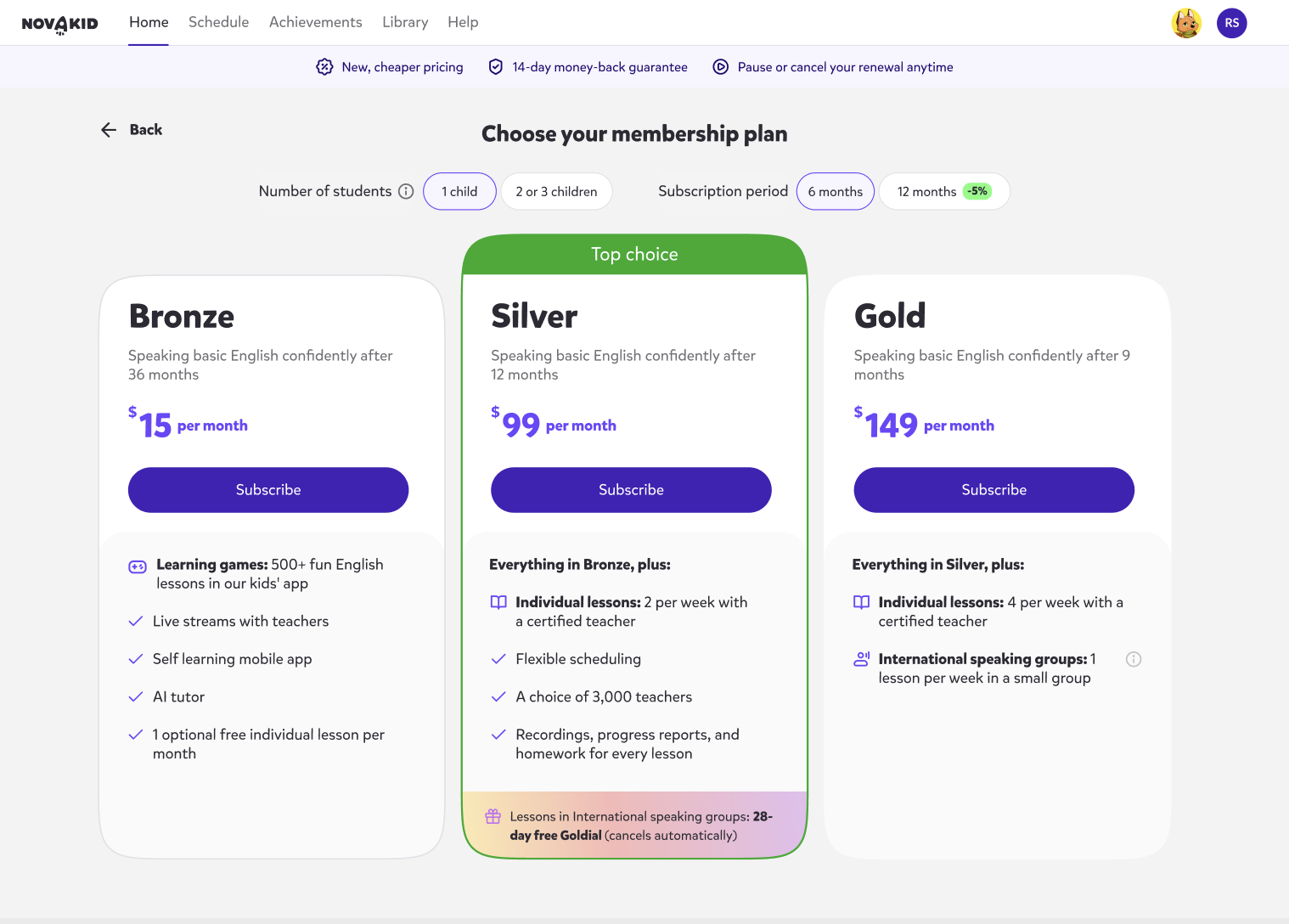
The three packages essentially were: AI only (Bronze), human teaching (Silver), lots of human teaching (Gold).
“We had decided that we needed the cheaper package to be about 15% or less of users for the numbers to work and cannibalisation to be minimal. This was the slide the CFO really needed to see. Luckily the numbers were close enough for us to continue,” he says.
He notes that it took three rounds of iterating different versions to get to this result: “Only on the third one did we get this conversion mix where we wanted it. So don’t give up on the first effort.”
Beta launch
The AI features launched in September 2025 in Beta. The new pricing model is not yet rolled out, but they know what the evolution looks like.
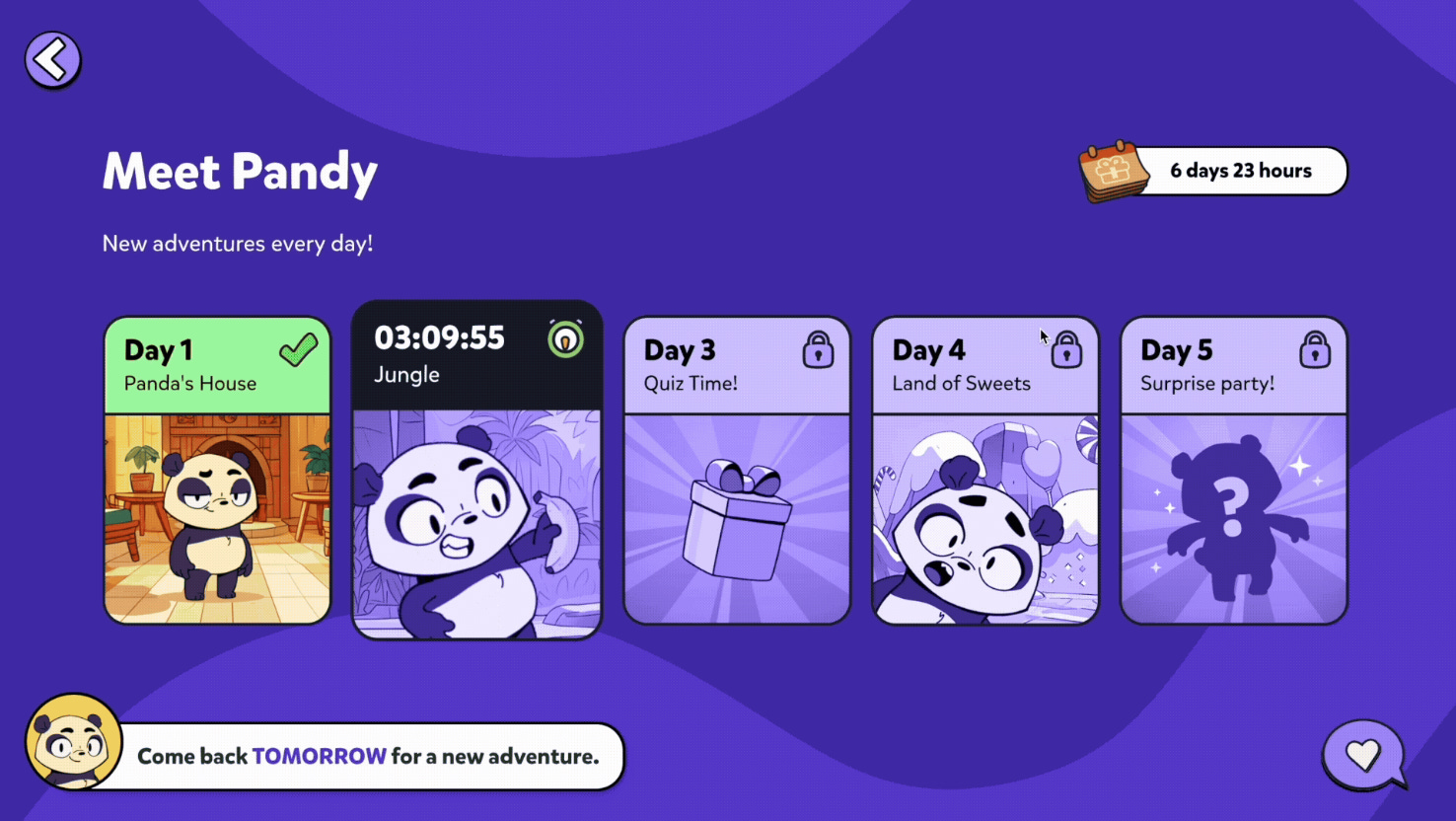
“And the features have started to take off,” smiles Toby. He says that over 30% of the users who have access to it are using it. And they’ve stuck around.
“Once you get that sort of flat line stability, you know, you’re on something. And the kids have started doing cool things like negotiating with the panda to unlock the next thing a day early because they have school the next day. It’s amazing to see the new emergent behaviours.”
Summary
We reflect on the points that might be useful to others reflecting on how to respond to AI.
Strategic problems are not just for the CEO: PMs, should talk about them - it makes you look good!
Be conscious of the Innovator’s Dilemma when thinking about the challenges and opportunities of generative AI. What could a new entrant do that would disrupt your core business? Start confronting it now.
Go back to the Job To Be Done. Where can AI do things better or more efficiently? Where are the areas which are uniquely human? Think about how you can leverage AI for the things that could be dramatically improved but also emphasise the value of the pieces where others will find it hard to compete.
What is the high-learning, low-noise way to test your idea? How can you experiment where you already have attention?
You may need to solve business model problems while you solve user problems: knowing how you would price the future will give you permission to continue.
Solve retention before solving for anything else: if you’re not seeing 30% retention a week later, keep experimenting. Killing before you have scale is important.
If you’re an incumbent, use your advantage of scale to rapidly get quantitative data by experimenting within your existing learning experience.
“Disruption does not destroy growth immediately. Disruption doesn’t happen on a Monday. It’s rather that you start to get these asymptotic effects. What is the ‘tomorrow risk’ of the business? It is a very real question. I think that’s as true for small startups as it is for incumbents.” Toby concludes. “Tomorrow might require a very big strategic shift today.”
Toby left Novakid at the end of last year to start Rig: a platform that lets teams in large businesses build and run Data Agents. Data Agents are AI Agents that can understand and take action with complex internal data, handling use cases like chat-based data queries, complex fraud and dispute management, and Account Management and Sales data gathering per-client to maximise renewals. Learn more at Rig.so.
I’m testing a week-long email course designed to help you understand how AI is disrupting your product-market fit and what to do about it.